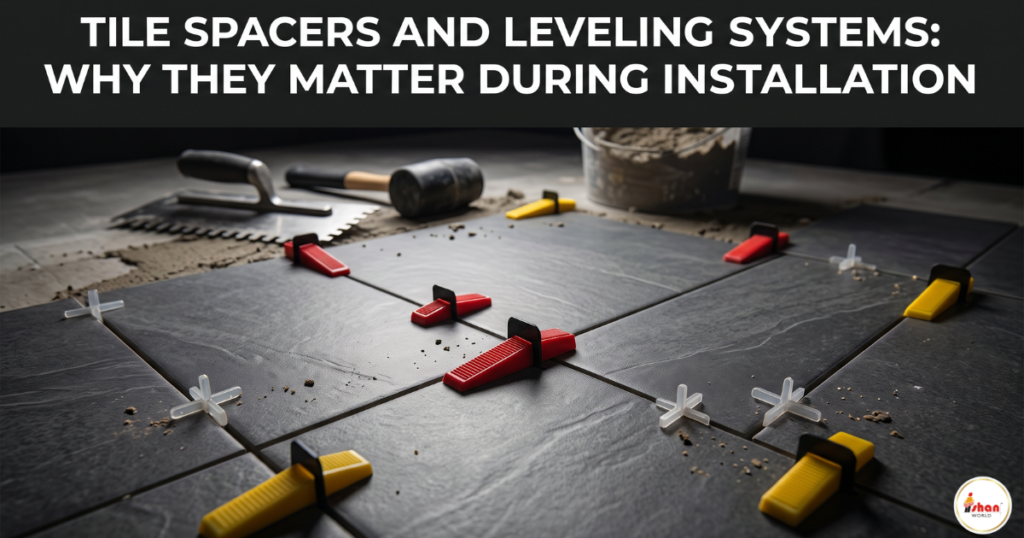
If you’ve recently completed a tiling project and still notice moisture or damp patches on the surface or between tiles, it can be frustrating and concerning — especially when it’s in spaces like bathrooms, kitchens, or living areas with high foot traffic.
At ISHAN WORLD, we often come across customers who face this issue due to a few avoidable mistakes during the tiling process. Here’s what you need to know:
Why Does Moisture Appear Even After Tiling?
1. Improper Grouting
Grout fills the gaps between tiles and seals them to prevent water or moisture from seeping through. If the grouting is:
- Not done properly,
- Cracked,
- Or poorly finished,
then moisture can seep beneath the tiles, resulting in dampness, staining, or even long-term damage like mold and tile lifting.
2. Not Using Tile Adhesive
A surprisingly common mistake is using traditional cement mortar instead of modern tile adhesives. While mortar has been used for decades, it often lacks the flexibility, water resistance, and bonding strength that tile adhesive offers.
Tile adhesive:
- Provides better grip to the substrate
- Reduces air gaps underneath tiles
- Prevents moisture ingress from underneath
- Is designed for various surfaces (walls, floors, indoor, outdoor)
Without adhesive, tiles may not sit flat, leaving voids where moisture can accumulate.
3. Poor Surface Preparation
If the surface wasn’t cleaned, leveled, or primed correctly before tiling, it could allow moisture to rise through the substrate — especially on concrete slabs or poorly waterproofed areas.
How to Fix & Prevent Moisture After Tiling
Regrouting: Remove damaged or porous grout and reapply high-quality, water-resistant grout. Make sure it is compacted properly and sealed if needed.
Use Tile Adhesive: During reinstallation or new tiling work, always use the right tile adhesive suitable for your application (e.g., wall, floor, wet areas, heavy tiles, etc.).
Waterproofing: Apply a waterproofing membrane beneath tiles in bathrooms, kitchens, or balconies.
Hire Trained Installers: Skilled workmanship is as important as quality materials.
ISHAN WORLD Recommendation
At ISHAN WORLD, we not only offer premium wall and floor tiles, but also guide you on best installation practices to ensure durability, aesthetics, and problem-free performance.
We strongly advise customers and contractors to:
- Use tile adhesives instead of traditional cement
- Ensure proper grouting and spacing
- Follow correct surface preparation techniques
We also provide support on choosing the right installation materials for your space and tile type.
Need Help with Your Tiling Project?
Visit your nearest ISHAN WORLD showroom or connect with our team for expert consultation on moisture-resistant tiling solutions and product recommendations.
For consultation of any issues regarding tiles visit us : www.ishanworld.com
Get in touch with us:
Contact: +91-70782 70782
Email: info@ishanworld.com
For more details regarding it look our Social pages
Instagram : Click here
Facebook : Click here
Pinterest: Click here
Youtube: Click here
Whatsapp: Click here
Frequently Asked Questions (FAQs)
Q1. Why is moisture appearing even after my floor or wall tiling is complete?
A: This usually happens due to poor grouting or improper use of tile adhesive. If the tiles aren’t sealed correctly or if voids are left under tiles (due to dry mortar or uneven application), water can seep through, causing dampness.
Q2. What is the role of grouting in tiling work?
A: Grouting is essential to seal the gaps between tiles, prevent water penetration, and improve overall durability. Without proper grouting, moisture can seep under tiles, leading to mold, stains, or tile detachment.
Q3. Can I use traditional cement instead of tile adhesive?
A: It’s not recommended. Tile adhesives offer better bonding, flexibility, and water resistance. Unlike cement mortar, adhesives prevent hollow spots and reduce the chances of moisture problems.
Q4. How can I prevent moisture from appearing under tiles?
A: Follow these best practices:
- Use high-quality tile adhesive.
- Ensure surface preparation before tiling.
- Apply grout properly and seal it.
- Use waterproofing in wet areas like bathrooms, balconies, or kitchens.
Q5. Can moisture damage tiles permanently?
A: Yes. If ignored, moisture can weaken the bond between tiles and the surface, cause discoloration, or even lead to tiles popping off over time.