By : Ishan World
Tiles have become the most preferred surface covering in modern homes, offices, and commercial spaces due to their strength, aesthetics, hygiene, and durability. However, nothing is more disappointing than seeing your wall tiles pop out, loosen, or fall off after some time.
This raises an important question:
Why do tiles peel off from the wall?
Let’s explore the root causes, technical insights, and effective prevention methods.
Understanding the Basics: Tile Bonding and Wall Adhesion
Tiles don’t stick to the wall by themselves. They depend on a strong and consistent bond between the wall surface and the tile through an adhesive layer. If anything compromises this bonding layer—be it moisture, dust, poor technique, or movement—tiles start to detach.
Top Reasons Why Tiles Peel Off from the Wall
1. Unprepared or Dirty Wall Surface
Before installing tiles, the wall surface must be:
- Flat and free of undulations
- Clean (dust-free and oil-free)
- Without flaking paint or loose plaster
If the wall isn’t prepared properly, the adhesive doesn’t grip well, leading to failure in bonding.
Professional Tip:
Always clean the surface thoroughly and apply a primer or bonding agent before tiling.
2. Use of Incorrect or Poor-Quality Adhesive
The traditional use of cement and sand as adhesive is outdated for modern tiles, especially for larger formats and vertical installations. These do not offer flexibility or high bonding strength.
Today’s wall tiles require polymer-modified adhesives (tile bonding adhesives) that provide:
- Stronger grip
- Flexibility
- Better moisture resistance
- Suitable curing time
Common Mistake: Using floor tile adhesive on the wall, or selecting an adhesive without checking the tile weight and surface type.
Professional Tip:
Match the adhesive type with the tile material (ceramic, vitrified, porcelain, etc.) and the wall type (plaster, concrete, gypsum, plywood, etc.).
3. Presence of Moisture or Dampness Behind the Wall
Moisture is one of the biggest enemies of tile adhesion. It breaks the bond over time and leads to mold, tile lifting, or even structural damage.
This is common in:
- Bathrooms
- Kitchens
- Basements
- Exterior walls
Professional Tip:
Ensure proper waterproofing is done before tile application. Use a damp-proofing chemical coating or sheet membrane in moisture-prone areas.
4. Spot Bonding or Improper Tile Installation
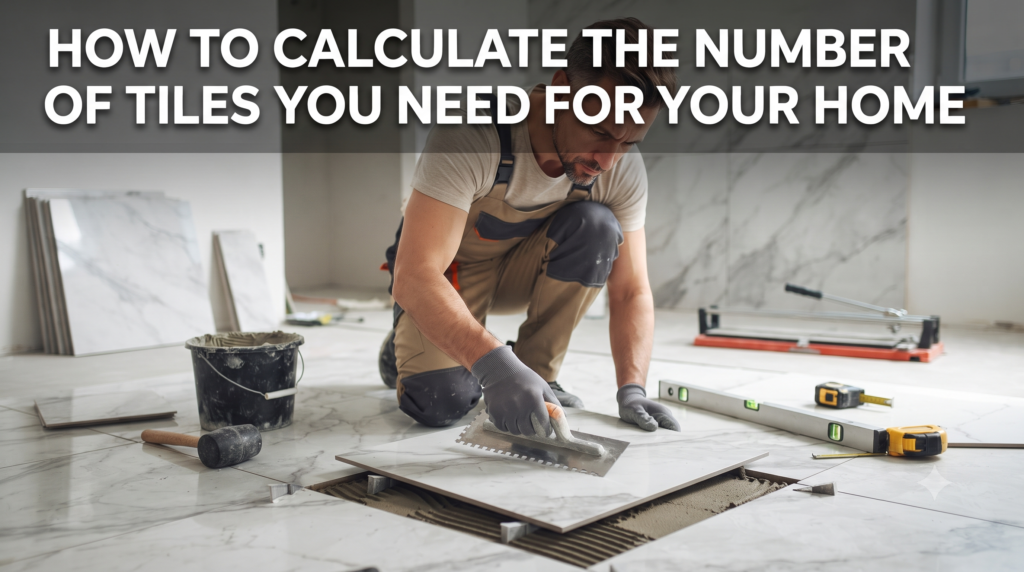
Some unskilled workers apply adhesive in dabs or dots at the back of tiles—known as “spot bonding.” This leaves air gaps and weakens grip. Over time, vibration, heat, or impact causes tiles to pop off.
Professional Tip:
Adhesive should be spread evenly using a notched trowel and cover the entire tile back (full-bed installation). Heavy or large tiles also require back-buttering.
5. Thermal Expansion, Movement & Vibration
Tiles are rigid. If walls expand or move due to thermal changes (especially exterior walls), or due to building vibration, the adhesive layer may crack or shift, detaching tiles.
Professional Tip:
- Leave expansion joints between tiles (especially large surfaces).
- Use flexible tile adhesive and grout that accommodate movement.
6. Insufficient Curing Time
After tiles are installed, the adhesive needs enough time to set and cure. Using the wall too early—like turning on the shower or hanging objects—can break the bond prematurely.
Professional Tip:
Allow at least 24–48 hours of curing time before using the tiled surface. Refer to the adhesive manufacturer’s instructions for best results.
7. Large Format Tiles Without Support
Large and heavy wall tiles (e.g., 600x1200mm or slab tiles) have higher chances of falling off if not properly supported or if used with wrong adhesives.
Professional Tip:
For such tiles, always:
- Use high-performance adhesive
- Apply back-buttering
- Use temporary spacers or supports during curing
Preventive Measures: How to Avoid Tile Peeling
Here’s a checklist to make sure your tiles last long:
| Task | Why It Matters |
|---|---|
| Surface Cleaning | Ensures better grip for adhesive |
| Primer Application | Enhances bonding with difficult surfaces |
| Quality Adhesive | Suitable for tile weight and wall type |
| Waterproofing | Prevents dampness behind tiles |
| Full-Bed Adhesion | No empty gaps behind tile |
| Expansion Joints | Absorbs movement and vibration |
| Curing Time | Ensures long-term strength |
Ask These Questions to Your Tile Installer:
Are you using the correct adhesive for this tile?
How will you prepare the wall before tiling?
Will you apply the adhesive on the tile back as well?
Have you checked for wall moisture?
What is the curing time before use?
ISHAN WORLD’s Commitment to Lasting Quality
At ISHAN WORLD, we not only provide high-performance tiles but also guide customers on the right surface preparation, adhesive selection, and maintenance practices.
Remember, a tile is only as good as its installation. Even the most beautiful tile will fail if the base isn’t prepared well. That’s why we always recommend following best industry practices for lasting beauty and durability.
ISHAN WORLD – Build Beautiful. Live Better.
Contact Us : 7078270782
Visit Us : www.ishanworld.com
Write Us : info@ishanworld.com
Visit our social media handles
Instagram : Click here
Facebook : Click here
Whatsapp: Click here
Pinterest : Click here
Twitter : Click here
Youtube : Click here
Blogspot : Click here
Frequently Asked Questions (FAQs)
1. Why are my wall tiles coming off just a few months after installation?
This is usually due to poor surface preparation, use of low-quality adhesive, or moisture seeping behind the tiles. It’s important to check if the wall was properly cleaned and primed before installation.
2. Is it okay to use regular cement for tile fixing on walls?
No. Traditional cement mortar is not suitable for vertical surfaces. Modern wall tiles require polymer-modified tile adhesives that provide better bonding strength, flexibility, and moisture resistance.
3. Can moisture behind the wall really cause tiles to fall off?
Yes. Moisture weakens the adhesive bond over time and causes the tile to detach. This is especially common in bathrooms, kitchens, and areas without proper waterproofing.
4. What is “spot bonding,” and why is it bad?
Spot bonding is when adhesive is applied in a few spots on the tile instead of covering the whole tile back. It creates hollow gaps that make the tile prone to detachment. Full-bed adhesive coverage is always recommended.
5. How much time should I wait after tiling before using the wall (e.g., bathroom)?
You should wait at least 24–48 hours after tile installation to allow proper curing of the adhesive. Using the wall too soon can disturb the bonding.
6. Do large tiles fall off more easily than smaller ones?
Yes, if not installed correctly. Large or heavy tiles need stronger adhesive, back-buttering, and sometimes mechanical support to ensure they stay attached to the wall.
7. How can I prevent tiles from peeling off in the future?
Ensure proper surface preparation, use high-quality adhesive, do waterproofing in wet areas, apply full-bed adhesive, and allow enough curing time. Also, hire skilled tile professionals.
8. Are all tile adhesives the same, or do I need a specific one?
Not all adhesives are the same. Choose the adhesive based on:
- Wall type
- Tile material (ceramic, vitrified, porcelain)
- Location (wet or dry area)
Consult your tile supplier or installer for the right adhesive recommendation.