By Ishan World
Choosing between porcelain and ceramic tiles can be tricky for many clients. As a distributor, it’s important to clearly explain the differences and guide them to the best decision based on their project needs. This blog will break down the technical differences in simple words and help you educate your clients with confidence.
What Are Porcelain and Ceramic Tiles?
Both porcelain and ceramic tiles are made from clay and fired in a kiln, but they are not the same. The difference comes mainly from their ingredients, production process, and performance qualities.
- Porcelain Tiles:
Made with finer, denser clay and fired at a higher temperature (around 1200°C or more). This makes them very strong, less porous, and more resistant to water and wear. - Ceramic Tiles:
Made with a mix of natural clay and water, fired at a lower temperature (around 1000°C). They are more porous, softer, and usually lighter than porcelain.
Key Differences Between Porcelain and Ceramic Tiles
| Feature | Porcelain Tiles | Ceramic Tiles |
|---|---|---|
| Material | Fine, dense clay | Coarse clay |
| Water Absorption | Less than 0.5% | 3-7% |
| Durability | Very hard and strong | Softer and less dense |
| Scratch Resistance | High | Medium |
| Stain Resistance | Excellent | Good |
| Weight | Heavier | Lighter |
Technical Details Clients Should Know
- PEI Rating (Porcelain Enamel Institute Rating)
Measures surface hardness.- Porcelain: PEI 4 or 5 — good for high traffic areas.
- Ceramic: PEI 2 or 3 — good for light to medium use areas.
- Water Absorption Rate
- Porcelain: < 0.5% (very low water absorption, ideal for bathrooms, kitchens, and outdoor use)
- Ceramic: 3–7% (needs sealing in wet areas)
- Breaking Strength
- Porcelain tiles have a higher breaking strength (around 250 lbs or more) making them suitable for heavy-duty use.
- Ceramic tiles are better for walls and light foot traffic floors.
- Slip Resistance (Coefficient of Friction, COF)
- Both types can have slip-resistant surfaces, but for wet or outdoor areas, recommend porcelain with a textured finish.
How Distributors Can Guide Clients
Here are simple steps you can follow to help clients pick the right tile:
- Ask About the Location of Use
- Indoor walls? Ceramic is fine.
- Outdoor patios? Go with porcelain.
- Check Water Exposure
- Bathrooms, kitchens, pools? Recommend porcelain.
- Understand the Budget
- Tight budget? Ceramic can be more economical.
- Long-term investment? Porcelain is worth the cost.
- Discuss Design Preferences
- Both offer beautiful styles, but porcelain can imitate stone or wood more realistically because it’s fully vitrified.
- Explain Maintenance
- Ceramic may require occasional sealing.
- Porcelain is almost maintenance-free.
- Talk About Installation
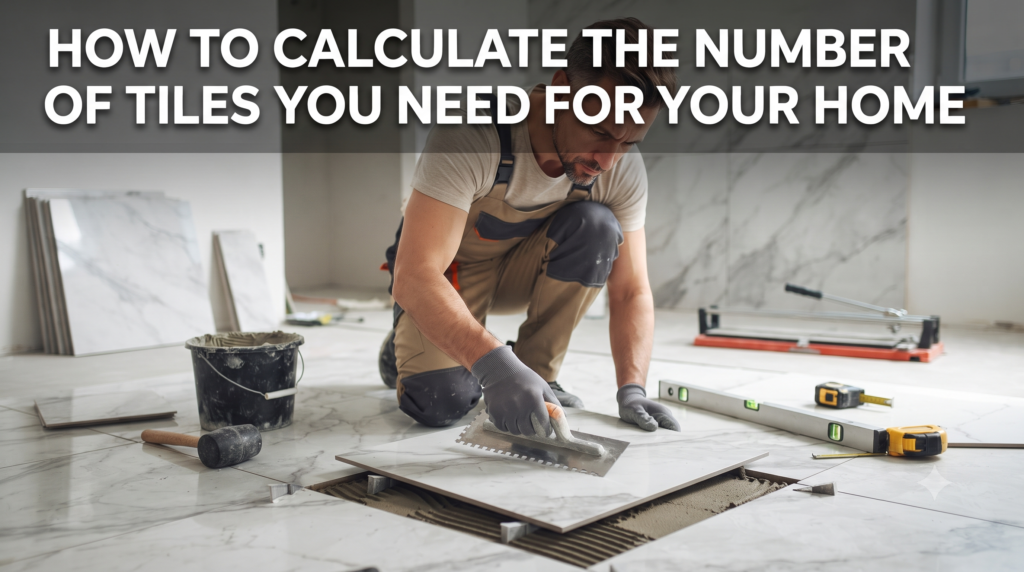
- Porcelain needs professional installation due to its hardness.
- Ceramic is easier for DIY projects.
Quick Summary for Clients
| Situation | Best Tile |
|---|---|
| Outdoor space | Porcelain |
| High-traffic areas | Porcelain |
| Light wall coverings | Ceramic |
| Low-budget renovations | Ceramic |
| Wet areas (bathroom, kitchen) | Porcelain |
FAQs: Frequently Asked Questions
What is the main difference between porcelain and ceramic tiles?
Porcelain tiles are denser, stronger, and have lower water absorption compared to ceramic tiles, making them better for high-traffic and outdoor areas.
Which tile is better for bathrooms and kitchens?
Porcelain tiles are a better choice for wet areas because they absorb less water and are more resistant to stains and moisture.
Is ceramic tile strong enough for flooring?
Yes, ceramic tiles are good for light to medium foot traffic areas like bedrooms, living rooms, and indoor walls, but porcelain is better for heavy-duty floors.
Are porcelain tiles more expensive than ceramic tiles?
Generally, yes. Porcelain tiles cost more due to their strength, durability, and production process.
Can both porcelain and ceramic tiles be used outdoors?
Porcelain tiles are recommended for outdoor use because they can withstand frost, water, and temperature changes better than ceramic tiles.
Visit IshanWorld or Contact Us today and explore the perfect tile solutions for every space — quality, style, and expert guidance all in one place.