By Ishan World
If you’re looking to upgrade the look and feel of your space with a modern flooring option, you’ve likely encountered slab tiles. These large-format tiles are gaining popularity in both residential and commercial projects due to their sophisticated aesthetics, durability, and low-maintenance qualities. In this guide, Ishan World explains what slab tiles are, their advantages, common applications, and expert installation tips to help you make the most of this contemporary flooring solution.
What Are Slab Tiles?
Slab tiles are large-format tiles typically made from high-performance materials such as porcelain, ceramic, marble, or natural stone. These tiles are significantly larger than traditional ceramic or porcelain tiles, offering expansive surfaces with minimal grout lines. This seamless design contributes to a modern, clean aesthetic that enhances any room.
Slab tiles can be used in a wide range of applications, including flooring, feature walls, backsplashes, and even countertops, providing a luxurious and cohesive look across different surfaces.
At Ishan World, we offer an extensive selection of premium slab tiles that can transform your space with their elegance and timeless appeal.
Benefits of Slab Tiles
1. Sleek, Seamless Design
The most notable feature of slab tiles is their ability to create expansive surfaces with minimal grout lines. This smooth, continuous appearance enhances the flow of a room, making it appear larger and more open. With fewer seams, slab tiles deliver a modern and minimalist aesthetic, ideal for contemporary interiors.
2. Superior Durability
Slab tiles are made from robust materials such as porcelain or natural stone, known for their resistance to wear, stains, scratches, and impact. Their durability makes them ideal for high-traffic areas in both residential and commercial environments, ensuring long-lasting performance.
3. Low Maintenance
With fewer grout lines, slab tiles are easier to clean and maintain than traditional smaller tiles. The smooth, continuous surface prevents dirt and grime from accumulating, reducing the need for frequent cleaning and maintenance.
4. Versatility
Slab tiles can be used in various settings, including floors, walls, backsplashes, and countertops. Their large format and variety of finishes make them a versatile choice that can seamlessly integrate into any room or design style.
5. Increased Property Value
The sophisticated, high-end appeal of slab tiles can add significant value to your property. Due to their luxury association, slab tiles are an excellent investment, enhancing the aesthetics and functionality of your space.
Common Uses of Slab Tiles
1. Flooring
Slab tiles are an excellent choice for flooring, particularly in open-plan areas. Their large size creates a seamless look that minimizes visual disruptions, making rooms appear more expansive and cohesive. They are ideal for modern living rooms, kitchens, and commercial spaces.
2. Feature Walls
The large scale of slab tiles makes them perfect for creating feature walls that command attention. Whether in living rooms, dining areas, or bathrooms, these tiles provide a sophisticated and elegant backdrop without the distraction of multiple grout lines.
3. Backsplashes and Countertops
Slab tiles are increasingly popular for kitchen and bathroom backsplashes and countertops. Their smooth surface not only enhances the overall design but also makes them easier to clean and maintain. Materials like marble and porcelain are commonly used for their stunning visual appeal and resilience.
4. Exterior Applications
Slab tiles are durable enough for exterior applications, such as patios, walkways, and outdoor feature walls. Their resistance to weathering makes them a reliable choice for outdoor spaces, maintaining their beauty and functionality over time.
Installation Tips for Slab Tiles
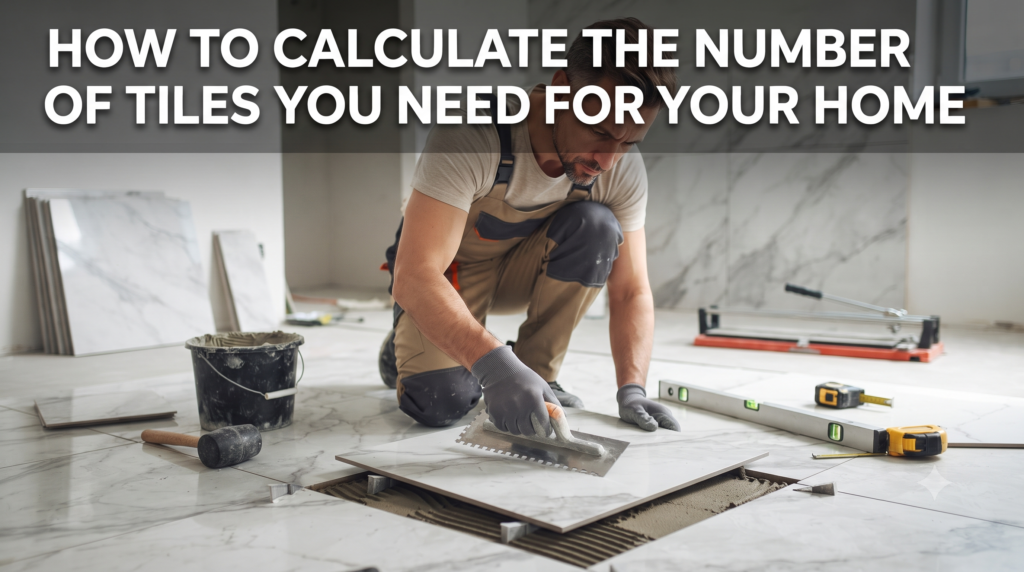
Due to their size and weight, installing slab tiles requires careful planning and precision. Follow these expert tips for a smooth and successful installation process:
1. Prepare the Surface
Before installing slab tiles, ensure that the substrate (floor, wall, or countertop) is clean, dry, and level. Any imperfections or debris will compromise the adhesive’s bond and could lead to shifting tiles.
2. Use the Right Adhesive
For large-format tiles, use a high-quality thin-set adhesive that is specifically designed for heavy-duty, large-format tiles. These adhesives provide superior bonding strength, ensuring the tiles remain securely in place over time.
3. Precision Cutting
Slab tiles often need to be cut to fit edges, corners, or intricate designs. Use a wet saw or diamond blade cutter to make precise cuts. Ensure accurate measurements before cutting to maintain the tile’s aesthetic integrity.
4. Leave Expansion Joints
Although slab tiles minimize grout lines, it’s still important to leave appropriate expansion joints to accommodate the natural expansion and contraction of materials. This will prevent cracking or damage due to temperature or humidity changes.
5. Consider Professional Installation
Due to the size, weight, and precision required for installation, professional installers can ensure that slab tiles are laid correctly. Their expertise ensures a perfect fit and alignment, enhancing both the aesthetic and structural integrity of the installation.
Frequently Asked Questions (FAQs)
Q1: What are the advantages of using slab tiles over smaller tiles?
A1: Slab tiles offer a sleek, seamless look with fewer grout lines, creating a continuous surface. They are easier to clean, as dirt and moisture are less likely to accumulate. Additionally, slab tiles are durable and versatile, available in a variety of materials to suit different styles.
Q2: Can slab tiles be used for both floors and walls?
A2: Yes, slab tiles are versatile and can be used for both flooring and wall applications. Their large format is ideal for creating a cohesive look across different surfaces, including feature walls and backsplashes.
Q3: Are slab tiles suitable for outdoor use?
A3: Yes, slab tiles made from materials such as porcelain or natural stone are suitable for outdoor applications. They are resistant to weather conditions, making them an excellent choice for patios, walkways, and outdoor facades.
Q4: How difficult is it to install slab tiles?
A4: Installing slab tiles can be more challenging due to their size and weight. It is crucial to have a smooth, level surface before installation, and precise cutting is required for edges. Professional installation is recommended for optimal results.
Q5: How do I clean and maintain slab tiles?
A5: Slab tiles are easy to maintain due to their smooth surface. Regular cleaning with a mild pH-balanced cleaner and a soft cloth will keep them looking pristine. Avoid abrasive cleaners that can scratch the surface. For natural stone tiles, periodic sealing is recommended.