By : Ishan World
Tiles are one of the most preferred materials for flooring and wall cladding because of their durability, beauty, and ease of maintenance. Whether it’s a modern living room, a stylish bathroom, or a functional kitchen, tiles add both aesthetic appeal and practical benefits.
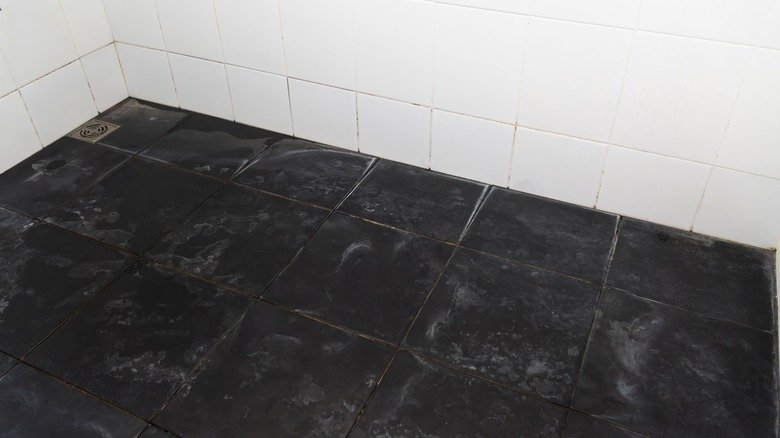
However, many homeowners face a frustrating problem over time — spots, blotches, or patchy discoloration appearing on tile surfaces. These marks are often linked to moisture-related issues.
In this blog, we’ll explore why moisture causes such stains, the science behind it, common scenarios where it happens, and practical solutions to prevent and treat the problem.
Understanding the Role of Moisture in Tile Installation
Moisture is one of the biggest enemies of building materials. Even though tiles themselves (especially porcelain and vitrified types) have low water absorption rates, the layers beneath them — like adhesives, grouts, and cement bases — are porous and highly sensitive to water.
When excess water seeps into these layers and does not evaporate properly, it often travels upwards. This trapped moisture can:
- Leave patches or blotchy marks on the surface
- Cause efflorescence (white, powdery deposits)
- Lead to weakening of adhesion between tile and substrate
- Encourage mold and mildew growth in grout lines
Thus, while the tile may not absorb much moisture, the entire tile system (substrate + adhesive + grout + tile) is affected.
Common Reasons for Spots and Blotches on Tiles
1. Improper Tile Adhesive Application
If tile adhesive is not evenly applied and has gaps, water may accumulate in the hollow spaces. Over time, these wet spots push moisture towards the tile surface, causing visible blotches.
2. Excess Moisture in Substrate
During construction, if the cement screed or concrete base is not allowed to dry completely before tile installation, trapped water will slowly rise, leaving stains and patches on the tile surface.
3. Poor Quality Grout or Sealant
Low-grade grout absorbs water easily. In bathrooms, kitchens, or outdoor areas, this absorbed water migrates into the tile system, eventually creating dark or damp-looking spots on tiles.
4. High Humidity or Water Exposure
Spaces like bathrooms, swimming pool decks, and terraces are naturally exposed to moisture. Without proper waterproofing and ventilation, tiles develop water-related blemishes.
5. Capillary Action in Cement Layers
Cement and mortar are porous. They act like a sponge, drawing water upward through capillary action. This hidden moisture sometimes surfaces as damp patches or cloudy spots on tiles.
6. Use of Non-Vitrified Tiles in Wet Areas
Non-vitrified tiles (like regular ceramic or porous stone tiles) absorb more water than vitrified or porcelain tiles. Over time, this leads to visible blotches, especially in continuously wet areas.
7. Efflorescence Formation
When moisture travels through cement layers, it carries salts to the surface. Once the water evaporates, salts remain behind as white, powdery stains — giving the appearance of blotches.
How to Identify Moisture-Related Tile Stains
Not all stains on tiles are caused by moisture — sometimes they come from spills, cleaning chemicals, or general wear. To confirm if the blotches are moisture-related, look for these signs:
- Patches darken after water exposure and lighten when dry
- Spots are irregular in shape and located near grout lines or tile edges
- Presence of white salt deposits (efflorescence)
- Musty smell indicating moisture beneath tiles
- Spots appear in wet-prone areas (bathrooms, terraces, kitchens, balconies)
Preventing Spots and Blotches on Tiles
Prevention starts at the installation stage. Proper construction practices and product selection can drastically reduce moisture issues.
1. Ensure Substrate is Completely Dry
Before tiling, check that the base cement screed or concrete slab has cured and dried fully. Trapped construction moisture is one of the biggest causes of blotchy tiles.
2. Use High-Quality Tile Adhesives and Grouts
Opt for branded, polymer-modified adhesives and waterproof grouts that resist water absorption. They create a stronger bond and reduce hollow gaps beneath tiles.
3. Proper Waterproofing
In wet areas like bathrooms, kitchens, terraces, and balconies, apply a waterproofing membrane before tile installation to prevent moisture rising from the substrate.
4. Apply Sealants Where Necessary
Natural stones and porous tiles should be sealed with penetrating sealants to block water entry. Even grout lines can be sealed to prevent water seepage.
5. Provide Adequate Ventilation
Good airflow helps moisture evaporate quickly. In bathrooms, ensure proper exhaust fans or ventilation systems are in place.
6. Avoid Excess Water During Cleaning
Mopping with excessive water allows moisture to seep into grout joints. Instead, use a damp mop and pH-neutral cleaners.
Treating Existing Moisture Spots on Tiles
If spots and blotches are already visible, the solution depends on the severity of the problem.
- Mild Stains: Use a mixture of warm water and mild detergent. For efflorescence, scrub gently with vinegar solution.
- Deep Moisture Patches: Identify and fix the source of moisture (leaks, poor grout, or faulty waterproofing).
- Re-grouting: If grout is deteriorated, remove it and replace it with high-quality, waterproof grout.
- Professional Treatment: In severe cases, tiles may need to be lifted, substrate dried, waterproofed, and re-laid with proper adhesives.
Final Thoughts
Spots and blotches on tile surfaces are not just cosmetic issues — they’re often a sign of deeper moisture problems that need to be addressed. The key is to focus on quality installation, waterproofing, and preventive care.
While branded, high-quality tiles resist water better, it’s equally important to use the right adhesives, grouts, and sealants to build a complete, moisture-proof system.
At Ishan World, we offer premium tiles along with expert guidance to help you avoid such long-term issues. By choosing the right materials and installation methods, you can ensure your tiles stay beautiful, durable, and spot-free for years to come.
Why Choose ISHAN WORLD
When it comes to selecting the right tiles, sanitaryware, bathware, and bath fittings, ISHAN WORLD stands out as a trusted, all-in-one destination for quality, variety, and value. We offer a carefully curated selection of ceramic, porcelain, vitrified, double charge, and full body tiles—sourced from top manufacturing units using the latest technologies.
At ISHAN WORLD, we believe that every space deserves the perfect combination of design, durability, and price. Whether you’re building your dream home, renovating a bathroom, or designing a commercial project, our products match every taste and requirement. From elegant matt finishes to luxury sugar and carving tiles, we provide choices that are both aesthetic and functional.
Our expert guidance, transparent sourcing, and competitive pricing make tile selection easy and hassle-free. We don’t just sell tiles—we help you make informed decisions. Visit ISHAN WORLD today and experience the difference in quality, service, and style.
Join hands with one of India’s fastest-growing tile brands – Ishan World – and build a successful, hassle-free business with our FOFO model, PAS facility, expert support, and exclusive product range designed for modern India.
Connect with ISHAN WORLD to explore hallway tiles in many designs and styles, and create a welcoming and memorable hallway to make lasting impressions.
ISHAN WORLD – Build Beautiful. Live Better.
Contact Us : 7078270782
Visit Us : www.ishanworld.com
Write Us : info@ishanworld.com
Visit our social media handles
Instagram : Click here
Facebook : Click here
Whatsapp: Click here
Pinterest : Click here
Twitter : Click here
Youtube : Click here
Blogspot : Click here
Quora : Click here
Medium :Click here
LinkedIn : Click here
Frequently Asked Question ( FAQs )
Q. Why do new tiles develop blotches so soon after installation?
Usually, this happens because the substrate (cement screed) wasn’t fully dry when tiles were installed. The trapped moisture rises gradually, leaving visible marks.
Q. Are blotches a sign of defective tiles?
Not always. Most of the time, the issue comes from poor installation practices, moisture in the substrate, or improper grouting rather than the tile itself.
Q. Can vitrified or porcelain tiles also get blotches?
Yes, even though vitrified tiles absorb very little water, blotches can still appear if moisture rises through the cement base or grout.
Q. How can I permanently avoid moisture stains on tiles?
Invest in proper waterproofing, use high-quality adhesives and grouts, and ensure good ventilation in wet-prone spaces.