Choosing the Right Tile

A whole guide to Ceramic Tile body kinds with regards to selecting tiles for your own home or commercial area, the decision goes a ways beyond looks. The durability, water absorption, and electricity of a tile rely on its frame kind and choosing the wrong you can actually cause steeply-priced issues down the line.

In this manual, we smash down the extraordinary ceramic tile body types, their technical traits, and their nice-acceptable packages, making it clean for you.

Know-how Tile frame types

Ceramic tiles within the Indian marketplace are commonly categorised into extraordinary frame kinds based totally on their cloth composition, water absorption price, and strength. these are commonly noted in change as:

  • Ceramic Tiles
  • Porcelain Tiles
  • Semi-Vitrified Tiles
  • Vitrified Tiles
  • Double price Tiles
  • Soluble Salt Tiles
  • full body Vitrified Tiles

Technical comparison table

Tile TypeWater AbsorptionStrength (MOR N/mm²)
Wall Body5% – 7%15 – 20
Porcelain Body3% – 4%30 – 50
Semi Vitrified (SGVT)2%25 – 35
Glazed Vitrified (GVT)0.0% – 0.5%30 – 40
Double Charge0.0% – 0.5%35 – 50
Soluble Salt0.0% – 0.5%30 – 40
Full Body Vitrified0.0% – 0.5%30 – 50

Observe: decrease water absorption and better electricity make tiles appropriate for high-traffic and moist regions.

Where to Use Each Type of Tile

Wall Applications

Application AreaWall BodyPorcelainSGVTGVTDouble ChargeSoluble SaltFull Body
Bathroom Walls✔️✔️✔️✔️✔️✔️✔️
Kitchen Walls✔️✔️✔️✔️✔️✔️✔️
Exterior Walls❌✔️✔️✔️✔️❌✔️
Terrace Walls❌✔️✔️✔️✔️❌✔️
Parking Area Walls❌❌❌✔️❌❌✔️

Floor Applications

Application AreaWall BodyPorcelainSGVTGVTDouble ChargeSoluble SaltFull Body
Bathroom Floors✔️✔️✔️✔️✔️❌✔️
Kitchen Floors❌✔️✔️✔️✔️❌✔️
Balcony Floors❌✔️✔️✔️✔️❌✔️
Residential Interior❌✔️✔️✔️✔️❌✔️
Exterior Residential❌✔️✔️✔️✔️❌✔️
Commercial High-Traffic❌✔️❌✔️✔️❌✔️
Parking Floors (Outdoor)❌❌❌✔️❌❌✔️

Quick Tips for Smart Tile Selection

Quick pointers for clever Tile selection

 Use wall body tiles best for vertical surfaces—they’re not designed for load-bearing.

choose porcelain and vitrified tiles for both walls and floors where durability and water resistance are vital.

 choose complete body and double charge tiles in commercial, excessive-traffic, or outside parking areas for optimum power and uniform colour.

Final mind

The achievement of any tiling task relies upon on selecting the right tile frame kind for the right application. by means of considering elements like water absorption, mechanical strength, and region of use, you may make sure not simply aesthetic enchantment but additionally overall performance and sturdiness.

Whether you are guiding a patron or choosing tiles in your very own challenge, this information enables you are making a wiser, more knowledgeable decision.

Contact Us : +91-7078270782

Write us on : info@ishanworld.com

website : https://ishanworld.com/

FAQ – Choosing the Right Ceramic Tile for Your Space

1. Which body of ceramic tile is suitable for bathroom walls?

Wall Body tiles, Porcelain, SGVT, and GVT tiles are all suitable for bathroom walls. These types are water-resistant and easy to clean, making them ideal for wet areas.

2. How many types of ceramic tile bodies are there?

There are seven major ceramic tile body types commonly used in India:

  • Ceramic Body
  • Porcelain Body
  • Semi-Vitrified (SGVT)
  • Vitrified Tiles
  • Double Charge Tiles
  • Soluble Salt Tiles
  • Full Body Vitrified Tiles

3. How many types of surfaces are there in ceramic tiles?

Ceramic tiles come with various surface finishes, including:

  • Glossy – Shiny, smooth finish (common for walls)
  • Matte – Non-reflective, slip-resistant (great for floors)
  • Satin/Silk – Midway between matte and glossy
  • Textured – Surface has patterns or grip (ideal for outdoor or wet areas)
  • Carving – Decorative and often used in designer spaces

4. Which surface is suitable for floor tiles?

For floor use, the best surface types are:

  • Matte
  • Textured
  • Satin finish

These surfaces are slip-resistant and more durable under foot traffic, especially in bathrooms, kitchens, and balconies.

5. Which type of tile is suitable for kitchen walls?

Wall Body, Porcelain, SGVT, and GVT tiles are suitable for kitchen walls. They are easy to clean, resistant to stains and moisture, and available in a variety of designs.

6. What should I check before purchasing ceramic tiles?

Before buying tiles, make sure to check the following:

Tile size and edge finish (rectified for seamless joints)s and performance. You get a beautiful top layer and long-term durability.

Tile body type (suitable for your application area)

Water absorption rate (lower is better for wet areas)

Surface finish (matte for floors, glossy for walls)

Strength rating (MOR in N/mm² for heavy-use areas)

Batch/lot number (to ensure consistent shade and size)
Why Choose Random Design Tiles?

Why Choose Random Design Tiles?

When it comes to elevating the design and functionality of your spaces, tiles play an essential role. Among the various tile options available today, random design tiles have emerged as a creative and visually striking choice. Their unpredictable patterns and artistic appeal make them a favorite among architects, interior designers, and homeowners alike.

Top Reasons to Choose Random Design Tiles

1. Uniqueness in Every Layout

Each tile arrangement is inherently unique due to non-repeating or subtly varied patterns. This prevents monotonous design repetition, allowing for visually engaging and bespoke layouts. Whether used in residential or commercial projects, random design tiles create a distinctive ambiance every time.

Technical Insight: These tiles are often created using advanced digital printing technology, which enables high-resolution designs with natural randomness. Some manufacturers employ rotational pattern printing and shade variation techniques for added diversity.

2. Versatility in Application

Random design tiles are suitable for a wide range of environments — from wet zones like bathrooms and kitchens to high-traffic areas like living rooms and commercial lobbies.

Technical Tip: Opt for slip-resistant finishes (R9 to R12 rated) for floor installations in areas prone to moisture. These tiles also integrate well with underfloor heating systems due to their thermal conductivity.

3. Enhanced Visual Appeal

These tiles serve as both functional surfaces and decorative art. The interplay of shapes, shades, and patterns adds depth and character, turning simple surfaces into captivating focal points.

Design Strategy: Combine random design tiles with neutral or minimalist elements to let the patterns shine without overwhelming the space.

4. Durability & Low Maintenance

Random design tiles are typically made from durable materials like ceramic, vitrified, or porcelain. They are resistant to water, stains, and scratches, making them ideal for both indoor and outdoor usage.

Material Specs:

  • Porcelain tiles: Water absorption rate <0.5%
  • Vitrified tiles: High strength and low porosity
  • Surface treatments: Available in matte, glossy, textured, and anti-skid variants

5. Eco-Friendly Choices

Many manufacturers now offer random design tiles produced with recycled raw materials and sustainable manufacturing processes, allowing consumers to make an eco-conscious design choice.


About ISHAN WORLD

At ISHAN WORLD, we specialize in crafting premium-quality tiles that blend style, durability, and sustainability. With a deep understanding of global trends and advanced manufacturing capabilities, we offer tile solutions that redefine modern living.

Our Mission

To transform ordinary spaces into extraordinary environments through cutting-edge tile design, unmatched quality, and personalized customer service.

Why Choose ISHAN WORLD?

Client-Centric Philosophy: Our experts guide you from selection to installation, ensuring a seamless experience.

Extensive Product Range: From contemporary random design tiles to timeless classics.

Quality Assurance: Each tile undergoes multi-stage testing for strength, finish, and consistency.

Sustainability Focus: We embrace green manufacturing by minimizing waste and reducing carbon footprints.

FAQs: Everything You Need to Know

Q: What are random design tiles?
A: Tiles featuring non-repetitive or irregular patterns that offer unique visual appeal in every layout.

Q: Are they durable?
A: Yes. Made from high-strength materials such as porcelain and vitrified ceramic, they withstand heavy use and wear.

Q: Where can I install them?
A: Suitable for both indoor and outdoor settings — kitchens, bathrooms, hallways, patios, and even commercial spaces.

Q: Does ISHAN WORLD offer customization?
A: Absolutely. We provide bespoke design and sizing options to suit your unique project needs.

Q: How do I maintain them?
A: Clean regularly with a neutral pH detergent and soft cloth or mop. Avoid acidic or abrasive cleaners to preserve surface quality.

Visit ISHAN WORLD Today

Explore our showroom or browse our online catalog to find the perfect tile solution for your next project. With ISHAN WORLD, you’re not just purchasing tiles — you’re investing in lasting style, performance, and innovation.

What Are Random Design Tiles

What Are Random Design Tiles and How to Use Them in Your Home?

In the ever-evolving world of interior design, homeowners and designers alike are constantly seeking unique ways to personalize spaces. One design element gaining popularity for its creativity and individuality is random design tiles. These tiles offer an artistic edge, allowing for truly distinctive interiors. But what exactly are they, and how can they elevate your home?


Understanding Random Design Tiles

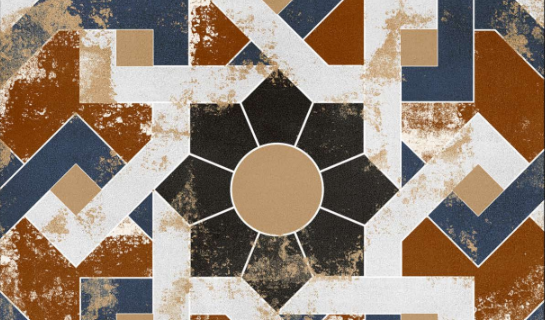
Random design tiles are tiles that feature non-repetitive patterns, textures, or color variations, intentionally arranged to create an organic, eclectic appearance. Unlike traditional tiles, which often follow uniform or symmetrical designs, random tiles introduce visual diversity and dynamic movement across surfaces.

These tiles are available in a range of materials, including:

  • Ceramic – Ideal for walls and light-traffic areas
  • Porcelain – Highly durable, suitable for floors and high-moisture areas
  • Vitrified – Excellent for heavy-duty applications due to its low porosity
  • Natural Stone – Offers a raw, earthy aesthetic with natural variations

Benefits of Using Random Design Tiles

A Unique Aesthetic

Each installation is inherently unique, making random design tiles a perfect choice for those looking to add character and individuality to their spaces.

Design Flexibility

These tiles complement a wide variety of design styles — from modern minimalist to rustic and vintage — and can be integrated seamlessly into different areas of the home.

Durability

Manufactured from high-quality materials, random design tiles are designed to withstand wear and tear, ensuring longevity with minimal upkeep.

Visual Impact

The blend of textures, shades, and shapes can turn even the simplest space into a visual centerpiece, adding depth and artistic expression to your interiors.


Where to Use Random Design Tiles in Your Home

Kitchen

  • Create a stunning backsplash that adds vibrancy and character
  • Pair neutral cabinetry with bold tile patterns for a striking contrast

Bathroom

  • Install on shower walls or floors for a spa-like ambiance
  • Use as accent borders or full feature walls for added luxury

Living Room

  • Make a bold statement with a tiled feature wall or fireplace surround
  • Add interest to flooring with creative tile patterns or inlays

Outdoor Areas

  • Enhance patios, garden walls, or pool surrounds with weather-resistant tiles
  • Use anti-slip finishes for safety and style in open-air spaces

How to Choose the Right Random Design Tiles

Match Your Color Scheme
Select tiles that complement your existing décor for a cohesive look.

Choose the Right Material

  • Porcelain: Best for moisture-prone or high-traffic areas
  • Ceramic: Suitable for decorative walls and light-use surfaces
  • Stone: Adds natural charm and tactile texture

Play with Shapes and Sizes
Mixing formats (e.g., hexagons, rectangles, squares) enhances the random design effect.

Consult a Professional
A design expert can help optimize layout, color harmony, and installation techniques to bring your vision to life.


Why Choose ISHAN WORLD for Random Design Tiles

At ISHAN WORLD, we pride ourselves on offering a diverse selection of premium tiles that combine innovation, craftsmanship, and aesthetics. As a trusted name in the ceramic tile industry, we provide:

  • Extensive Product Range: From subtle patterns to bold statements
  • Superior Quality: Precision-engineered tiles that meet international standards
  • Eco-Friendly Manufacturing: Sustainable practices and recycled materials
  • Customer-Centric Service: Personalized guidance from selection to installation

Our random design tiles are designed to transform everyday spaces into extraordinary experiences — effortlessly blending form and function.


Frequently Asked Questions (FAQs)

What are random design tiles best suited for?
These tiles are ideal for feature walls, kitchen backsplashes, floors, and any space where a unique visual element is desired.

Are random design tiles durable?
Yes. Tiles made from porcelain, vitrified, or natural stone are particularly known for their strength and longevity.

Can random design tiles be used outdoors?
Absolutely. Many of our tiles are rated for outdoor use and are resistant to moisture, fading, and wear.

Do they require special maintenance?
Routine cleaning with mild detergent and water is generally sufficient. Porcelain and vitrified tiles are especially easy to maintain.

Why choose ISHAN WORLD?
ISHAN WORLD offers a curated selection of high-quality, innovative tile designs backed by expert service and sustainable practices.


Visit ISHAN WORLD Today

Whether you’re redesigning your home or starting a new project, explore the transformative potential of random design tiles at ISHAN WORLD. Visit our showroom or browse our digital catalog to discover how our tiles can help you create truly inspired spaces that reflect your style and vision.

Which Tile Finish Suits Your Style

Which Tile Finish Suits Your Style? A Look at the Options

When designing your dream interior, tiles are more than just a functional element—they are a defining feature of your overall aesthetic. One of the most critical aspects of tile selection is the surface finish, which not only influences how the tile looks but also how it performs in different environments.

At ISHAN WORLD, we offer a wide range of tile finishes designed to meet both practical and stylistic needs. In this guide, we’ll walk you through the most popular finishes, their ideal applications, advantages, and technical considerations to help you make an informed choice.


Common Tile Finishes Explained

1. Glossy Finish

Glossy tiles feature a high-shine, reflective surface created by applying a glaze and firing the tile at high temperatures.

Best For:

  • Wall applications in kitchens, bathrooms, and powder rooms
  • Small spaces where reflection can enhance brightness and perceived size

Advantages:

  • Easy to clean and maintain
  • Visually enhances lighting
  • Gives a sleek, modern, and premium appearance

Considerations:

  • Can be slippery when wet, making them less ideal for flooring in wet areas
  • Shows fingerprints and smudges easily

2. Matte Finish

Matte tiles have a flat, non-reflective surface and a slightly rough texture. They are often favored for their understated, natural appearance.

Best For:

  • Floors in living rooms, bedrooms, and outdoor areas
  • Spaces with heavy foot traffic or where slip resistance is a priority

Advantages:

  • Slip-resistant surface, ideal for safety in residential and commercial spaces
  • Excellent at concealing water spots, smudges, and dirt
  • Provides a contemporary or rustic feel

Considerations:

  • May require more effort during cleaning due to their less smooth surface texture

3. Satin (Semi-Matte) Finish

A satin finish lies between glossy and matte, offering a low-luster surface with a soft, smooth touch.

Best For:

  • Transitional areas like hallways, kitchens, and bathrooms
  • Homes with minimalist or soft-modern design aesthetics

Advantages:

  • Easy to maintain
  • Provides a subtle sheen that softens the look without full gloss
  • Good for areas where you want a balance of style and practicality

Considerations:

  • Fewer color and pattern choices available compared to glossy finishes

4. Textured Finish

Textured tiles are manufactured with embossed surfaces or irregular finishes that replicate natural materials like stone, slate, or wood grain.

Best For:

  • Outdoor areas, balconies, terraces, and pool decks
  • Accent walls or feature installations in high-design areas

Advantages:

  • High slip resistance (R11 or higher) depending on the surface
  • Provides tactile depth and visual interest
  • Durable and suitable for high-traffic or exposed environments

Considerations:

  • Intricate surfaces may trap dust or debris, requiring more intensive cleaning

5. Polished Finish

Polished tiles are typically porcelain or vitrified tiles that undergo a mechanical polishing process to achieve a mirror-like surface.

Best For:

  • Large interiors, luxury commercial spaces, hotel lobbies
  • Areas where light reflection is used to enhance spatial aesthetics

Advantages:

  • Smooth, elegant, and high-end visual appeal
  • Excellent light reflectivity, ideal for darker rooms
  • Durable when sealed and maintained properly

Considerations:

  • May become slippery when wet—anti-slip treatments or rugs are recommended
  • Requires frequent maintenance to preserve shine

How to Choose the Right Tile Finish

When selecting a tile finish, it’s important to consider both aesthetic preferences and technical performance based on usage:

FactorRecommended Finish
High Foot Traffic AreasMatte or Textured
Wet Areas (Bath/Shower)Textured or Satin
Visual BrighteningGlossy or Polished
Luxury InteriorsPolished
Low-Maintenance RequirementsSatin or Matte
Outdoor InstallationsTextured (anti-skid surface)

Also consider slip resistance ratings (such as R ratings, where R9–R13 indicate increasing levels of slip resistance) and PEI ratings (Porcelain Enamel Institute scale for abrasion resistance) for floor tile performance.


Frequently Asked Questions (FAQs)

Q: Can glossy tiles be used on floors?
A: Yes, but with caution. Glossy tiles are best suited for wall applications or low-traffic floor areas, as they can be slippery, especially in wet conditions.

Q: Are matte tiles harder to clean?
A: Matte tiles can retain more dirt on the surface, but their ability to hide smudges makes them easier to maintain visually.

Q: What is the best tile finish for outdoor spaces?
A: Textured finishes are ideal due to their slip resistance and ability to withstand environmental exposure.

Q: How do I maintain polished tiles?
A: Regular cleaning with a pH-neutral cleaner and immediate wiping of spills is recommended to maintain the glossy surface. Avoid abrasive scrubbers.

Q: Can I combine multiple finishes in one room?
A: Absolutely. Combining finishes can define zones, add contrast, and create visual interest. For example, use matte on the floor and glossy on the wall.


Discover Your Perfect Tile Finish at ISHAN WORLD

At ISHAN WORLD, we offer a diverse selection of tile finishes to suit every space—from minimalist interiors to bold architectural designs. Our experts can help you select the most appropriate finish based on your lifestyle, functional needs, and design preferences.

Visit our showroom or explore our digital catalog to transform your space with tiles that reflect your style and stand the test of time.

Why Choose Endless Tiles

Why Choose Endless Tiles? A Deep Dive into Their Unique Appeal

When designing sophisticated, modern spaces, one of the most transformative design elements is the choice of tile. Endless Tiles by Ishan World represent a leap forward in tile innovation—delivering aesthetics, practicality, and performance in a seamless format. But what exactly are Endless Tiles, and why should they be your go-to option for your next project?

Let’s dive into their unique benefits and applications.


What Are Endless Tiles?

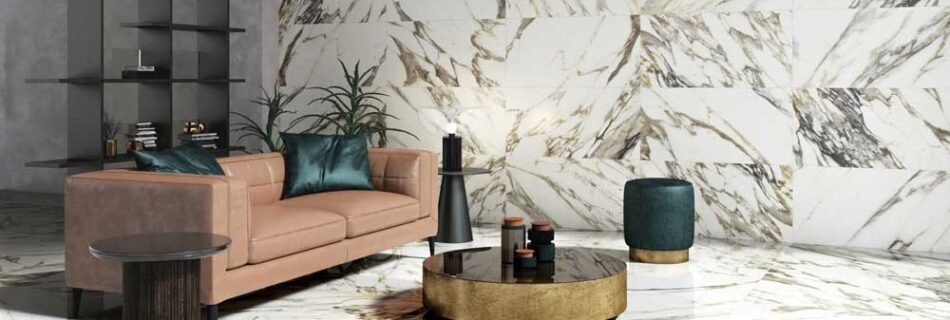
Endless Tiles are large-format tiles engineered to create a continuous, grout-minimized surface. Their design reduces visible joints, resulting in a smooth, uninterrupted visual flow across floors or walls. This “endless” appearance makes spaces feel larger, cleaner, and more modern.

These tiles are typically made from porcelain or vitrified material, offering high strength, dimensional accuracy, and low porosity.


Key Features of Endless Tiles

1. Seamless Visual Flow

The primary appeal of Endless Tiles lies in their edge-matching designs and minimal joint visibility. This eliminates visual clutter and gives the impression of a single, unbroken surface—ideal for open-concept layouts.

2. High Durability

Manufactured with advanced vitrification techniques, these tiles offer:

  • High resistance to abrasion (PEI rating 4–5)
  • Low water absorption rate (<0.5%)
  • Excellent mechanical strength, suitable for high-traffic areas

3. Versatile Design Options

Available in a range of:

  • Finishes (glossy, matte, polished)
  • Surface textures (stone-look, marble-effect, concrete-style)

4. Low Maintenance

Fewer grout lines mean:

  • Less accumulation of dirt and moisture
  • Easier cleaning with non-abrasive pH-neutral cleaners
  • Reduced long-term maintenance cost

Why Choose Endless Tiles from Ishan World?

1. Superior Aesthetics

Ishan World’s Endless Tiles are precisely manufactured for edge-to-edge continuity, offering a visually expansive effect ideal for both residential and commercial environments.

2. Sustainable Production

Ishan World uses eco-conscious processes, including:

  • Recycled raw materials
  • Low-emission kilns
  • Water and energy-efficient manufacturing systems

3. Customization & Design Flexibility

Whether you’re working on a residential remodel or a large-scale commercial project, Endless Tiles can be custom-tailored in texture, finish, and layout to meet your design vision.

4. Trusted Industry Expertise

With years of innovation in ceramic and vitrified tile manufacturing, Ishan World ensures consistent quality control, cutting-edge design, and customer-focused service.


Ideal Applications of Endless Tiles

SpaceApplication
Living RoomsLarge seamless floors for open, airy aesthetics
BathroomsWalls and floors with spa-like continuity
KitchensBacksplashes and countertops with modern appeal
Commercial UseOffice lobbies, showrooms, and hotels for elegance
ExteriorsPatios or facades (specific outdoor-rated models)

FAQs: Endless Tiles Simplified

Q: What makes Endless Tiles different from traditional tiles?

A: Endless Tiles minimize grout joints to offer a sleek, seamless look. Traditional tiles often have visible grout lines that break visual continuity.

Q: Can Endless Tiles be used outdoors?

A: Yes. Select models are made with anti-slip finishes and are frost- and UV-resistant, making them suitable for outdoor use.

Q: Are Endless Tiles difficult to install?

A: While they require precision during installation, especially to align patterns correctly, professional tilers can achieve flawless results. Large-format tile adhesives and levelling systems are often used.

Q: How do I clean and maintain them?

A: Use mild, non-abrasive cleaners. Their smooth surface and fewer joints make them highly hygienic and easy to maintain.

Q: Can Endless Tiles be used on vertical surfaces?

A: Absolutely. Endless Tiles are perfect for feature walls, accent panels, and cladding, providing a luxurious, continuous appearance.


Upgrade Your Space with Endless Tiles from Ishan World

Endless Tiles by Ishan World redefine modern tiling. With their seamless appearance, technical superiority, and eco-conscious manufacturing, they offer a perfect balance of style, durability, and sustainability.

Whether you’re designing a minimalist home, a luxury hotel, or a corporate lobby—Endless Tiles provide a sophisticated canvas for architectural excellence.

Visit our showroom or explore our digital catalog to discover how Endless Tiles can transform your next project.

What Are Endless Tiles

What Are Endless Tiles?

In the ever-evolving world of interior design, innovation is key to creating stunning, functional spaces. One such groundbreaking trend that is gaining traction is the use of Endless Tiles. But what exactly are Endless Tiles, and how can they transform your home or commercial spaces? At Ishan World, we take pride in offering top-tier Endless Tiles that redefine modern aesthetics.

What Are Endless Tiles?

Endless Tiles are a revolutionary concept in ceramic tiling, designed to create seamless, design continuity on the surface. Unlike traditional tiles with visible joints and grout lines, Endless Tiles are engineered to minimize these interruptions. The design result is a flawless, uninterrupted visual flow that enhances the elegance and spaciousness of any area.

Key Features of Endless Tiles:

Seamless Design: Endless Tiles give your floors and walls a smooth, cohesive look by reducing grout lines.
Versatility: Suitable for floors, walls, and even countertops in residential and commercial settings.
Durability: Made from high-quality materials, they offer exceptional resistance to wear and tear.
Aesthetic Appeal: Available in various designs, including natural stone, wood, and abstract patterns.
Low Maintenance: Easy to clean and maintain due to reduced joints.

Why Choose Endless Tiles from Ishan World?

At Ishan World, we are committed to bringing innovation and quality to your spaces. Our Endless Tiles stand out for their:

Premium Quality: Crafted with precision using state-of-the-art technology.
Wide Variety: Explore a range of colors, textures, and patterns to suit your style.
Sustainability: Produced with environmentally friendly processes.
Customization: Tailored solutions for unique design requirements.

Benefits of Using Endless Tiles

Visual Continuity: Creates the illusion of larger, open spaces.
Enhanced Hygiene: Fewer joints mean less dirt accumulation and easier cleaning.
Modern Appeal: A sleek, minimalist look that complements contemporary interiors.
Long-lasting: Resistant to fading, stains, and scratches, ensuring longevity.

FAQs

Q1: Are Endless Tiles suitable for outdoor use?
Yes, many Endless Tiles are designed for outdoor applications. They are durable, weather-resistant, and ideal for patios, balconies, and walkways.
Q2: How do Endless Tiles differ from traditional tiles?
Endless Tiles minimize grout lines, providing a seamless look. Traditional tiles typically have more visible joints, which can break the visual continuity.
Q3: What sizes are available for Endless Tiles?
Ishan World offers Endless Tiles in various sizes, including large-format options to suit different project needs.
Q4: Are Endless Tiles easy to install?
While installation requires precision, professional installers can achieve the desired seamless effect efficiently.
Q5: How do I clean and maintain Endless Tiles?
Simply use a mild detergent and water for regular cleaning. The reduced grout lines make maintenance hassle-free.

What Are Slab Tiles and Why Are They So Popular in Modern Design?

What Are Slab Tiles and Why Are They So Popular in Modern Design?

In today’s interior design landscape, slab tiles have become a cornerstone of contemporary architecture. Known for their large format, seamless finish, and refined visual appeal, these tiles are revolutionizing residential and commercial spaces alike.

At Ishan World, we specialize in premium ceramic and vitrified slab tiles that combine form, function, and finesse. Let’s take a closer look at what makes slab tiles so sought-after and how they can elevate your interiors.


What Are Slab Tiles?

Slab tiles are large-format vitrified or porcelain tiles typically ranging in size from 600×1200 mm (24×48 inches) to 1600×3200 mm (64×128 inches) or more. These oversized tiles are engineered for a seamless, minimal-joint installation, drastically reducing visible grout lines and creating a continuous surface flow across floors, walls, and countertops.

This makes slab tiles not just a design choice but a technical innovation—ideal for spaces demanding both aesthetics and performance.


Why Slab Tiles Are So Popular in Modern Design

1. Sleek, Seamless Aesthetic

Slab tiles offer a monolithic visual effect, making them ideal for minimalist, open-concept, or luxury interiors. Their large dimensions enhance spatial continuity and create a clean, clutter-free look.

2. Exceptional Durability

Made from fully vitrified porcelain, slab tiles exhibit:

  • High breaking strength
  • Low water absorption (<0.5%)
  • Scratch and stain resistance

This makes them suitable for high-traffic and moisture-prone areas, including kitchens, bathrooms, and commercial zones like hotels and restaurants.

3. Versatile Design Compatibility

Slab tiles are available in a wide array of:

  • Surface finishes: glossy, matte, satin, textured
  • Textures: marble-look, stone-look, concrete effect, wood grain
  • Color palettes: from neutral tones to bold hues

They pair well with both modern industrial and luxury classic aesthetics.

4. Low Maintenance

With minimal grout joints, slab tiles collect less dirt and grime. Their smooth surface is easy to clean using pH-neutral cleaners, and they require less maintenance over time than smaller tiles.

5. Enhanced Visual Space

By reducing grout lines, slab tiles help visually expand small areas, making them ideal for compact bathrooms or kitchens where space perception is key.

6. Environmentally Friendly

At Ishan World, our slab tiles are manufactured using eco-conscious methods:

  • Recyclable raw materials
  • Water-saving processes
  • Energy-efficient kilns

This aligns with sustainable design practices in both residential and commercial projects.


Applications of Slab Tiles

Application AreaAdvantages
FlooringElegant, seamless finish with fewer joints
Wall CladdingModern accent walls, bathroom panels, and backsplashes
Kitchen & Bathroom CountertopsHeat, stain, and water-resistant alternative to marble or granite
Outdoor AreasDurable and weather-resistant options for patios, garden paths, and pool decks

Frequently Asked Questions

Q1: How are slab tiles different from regular tiles?

A: Slab tiles are significantly larger than standard tiles. While typical tiles range from 300×300 mm to 600×600 mm, slab tiles go up to 1600×3200 mm or more. This reduces joint lines and delivers a more continuous, high-end finish.

Q2: Can slab tiles be used outdoors?

A: Yes, especially outdoor-grade porcelain slabs. These are resistant to UV radiation, thermal shock, and frost—making them ideal for facades, patios, and pool surrounds.

Q3: How do I clean slab tiles?

A: Use a damp microfiber cloth and mild, non-abrasive detergent. Their low-porosity surface makes them stain-resistant and easy to maintain with regular cleaning.

Q4: Are slab tiles costlier than regular tiles?

A: While slab tiles have a higher initial cost due to size and manufacturing complexity, they offer better coverage, reduced grout maintenance, and a premium visual appeal, making them a cost-effective long-term investment.

Q5: Are slab tiles suitable for wet areas like kitchens and bathrooms?

A: Absolutely. Slab tiles are non-porous and slip-resistant (with appropriate surface finishes), making them perfect for wet zones.

Q6: What slab tile options are available at Ishan World?

A: We offer slab tiles in a wide variety of:

  • Marble-effect (Statuario, Calacatta)
  • Concrete-look
  • Metallic textures
  • Natural stone-inspired finishes

These are available in various sizes, thicknesses, and surface treatments to suit your project requirements.


Elevate Your Design with Ishan World Slab Tiles

Whether you’re renovating a luxury apartment, designing a modern office, or developing a boutique hotel, slab tiles from Ishan World provide the perfect blend of durability, style, and innovation.

Our expert team can help you select the right size, finish, and design to bring your vision to life.

Visit our experience center or browse our online catalog today to explore the slab tile collection that’s reshaping modern interiors.

Thin Tile

What is Thin Tile? A Comprehensive Guide

In the evolving world of architecture and interior design, thin tiles—also referred to as slim or ultra-thin tiles—are setting new standards for functionality and style. With their lightweight structure, modern aesthetics, and versatile applications, thin tiles present a compelling alternative to traditional tile formats.

At Ishan World, we are committed to offering advanced tiling solutions that combine innovation, efficiency, and elegance. This guide will help you understand what thin tiles are, their key benefits, and how they can be effectively utilized across various spaces.


What Are Thin Tiles?

Thin tiles are ultra-slim vitrified or porcelain tiles with a thickness typically ranging from 3 mm to 6 mm. Despite their slim profile, they are manufactured using advanced technology that ensures high mechanical strength, dimensional stability, and chemical resistance.

These tiles are ideal for a wide range of applications, from walls and floors to furniture cladding and exterior facades.


Key Benefits of Thin Tiles

Lightweight Construction

Due to their reduced thickness, thin tiles are significantly lighter than standard tiles. This facilitates easier transportation, handling, and installation, particularly in high-rise buildings and on vertical surfaces where load-bearing considerations are crucial.

Environmentally Sustainable

Thin tiles require less raw material and energy during production, contributing to a lower carbon footprint. Additionally, they can be installed directly over existing surfaces, reducing construction waste and the need for demolition.

Versatile Applications

Thin tiles can be applied across a wide range of surfaces including walls, floors, countertops, and facades. Their ability to be installed over pre-existing finishes makes them especially suitable for renovation projects, saving both time and labor costs.

Durability

Although thin in profile, these tiles are engineered for durability and long-term performance. They are resistant to scratches, stains, moisture, and wear, particularly when installed in low-traffic areas or vertical applications.

Modern Aesthetic Appeal

Thin tiles are available in a variety of textures, colors, and finishes, including stone, marble, concrete, and wood looks. Their minimal grout lines and seamless appearance contribute to a clean, sophisticated visual in any space.


Applications of Thin Tiles

  • Interior Wall Cladding: Provides a smooth and elegant surface with minimal joints.
  • Flooring: Suitable for low-traffic residential or light commercial areas requiring a sleek appearance.
  • Furniture Cladding: Ideal for modernizing cabinetry, countertops, and table surfaces.
  • Renovation Projects: Can be applied over existing tile or stone, eliminating the need for removal and reducing project timelines.
  • Exterior Facades: Lightweight and weather-resistant, thin tiles are increasingly used for ventilated facades and building exteriors.

Installation Best Practices

  • Surface Preparation: The substrate must be clean, dry, level, and structurally sound.
  • Adhesive Selection: Use polymer-modified cement-based adhesives or epoxy adhesives specifically formulated for thin tiles to ensure proper bonding.
  • Handling Procedures: Although durable, thin tiles should be handled with care to avoid breakage. Use appropriate tools such as suction cups and store vertically to maintain integrity.
  • Cutting Tools: For precise cutting, use diamond blades or water-jet machines to avoid edge chipping.

Frequently Asked Questions (FAQs)

Are thin tiles as durable as standard tiles?

Thin tiles are highly durable in vertical and light-foot-traffic applications. However, for heavy-duty flooring, standard or thicker tiles may be more suitable.

Can thin tiles be used outdoors?

Yes. Many thin tiles are engineered for outdoor use, offering excellent resistance to UV radiation, moisture, frost, and temperature fluctuations.

What sizes are available in thin tiles?

Thin tiles come in a range of sizes, including large-format options such as 600×1200 mm, 800×1600 mm, and up to 1200×2400 mm. These dimensions help reduce grout lines and create a seamless finish.

Do thin tiles require special maintenance?

Thin tiles are easy to maintain. Their low porosity and minimal grout lines reduce dirt accumulation. Regular cleaning with a soft cloth and mild detergent is typically sufficient.

Are thin tiles more expensive than regular tiles?

Thin tiles may have a higher initial cost due to advanced production methods and material quality. However, the savings in installation time, labor, and long-term maintenance make them a cost-effective choice overall.

Why choose Ishan World for thin tiles?

Ishan World offers an extensive selection of high-performance thin tiles that combine superior craftsmanship, aesthetic appeal, and long-lasting value. Our team provides technical support and tailored solutions to meet the unique demands of each project.

Can We Use Tiles on Stairs? A Complete Guide to Staircase Flooring

Can We Use Tiles on Stairs? A Complete Guide to Staircase Flooring

By Ishan World (A leader in innovative tiling solutions.)

When it comes to staircase design, choosing the right flooring material is essential for achieving both functionality and visual appeal. Tiles have become an increasingly popular option for staircases due to their durability, low maintenance, and wide range of design possibilities. In this comprehensive guide, Ishan World, a pioneer in innovative tiling solutions, explores the suitability of tiles for stairs, including advantages, challenges, types of tiles, and expert recommendations for proper installation.


Why Consider Tiles for Staircases?

1. High Durability and Load Resistance

Tiles, especially those made from vitrified or porcelain bodies, are engineered to withstand significant foot traffic and pressure. This makes them ideal for staircases, which are subjected to frequent use.

2. Aesthetic Flexibility

Available in a vast array of textures, finishes, and formats, tiles can dramatically elevate the visual appeal of any staircase. Whether you’re aiming for a minimalist, modern, or luxurious look, there is a tile design to match.

3. Low Maintenance

Tiles require minimal upkeep. Most varieties are resistant to stains, moisture, and scratches, and can be cleaned easily with a damp cloth and neutral pH detergent.

4. Enhanced Safety Options

With advancements in surface technology, anti-skid or anti-slip tiles are available with R10 to R12 slip resistance ratings, ideal for staircases, especially in areas prone to moisture or outdoors.


Types of Tiles Suitable for Staircases

1. Ceramic Tiles

Affordable and easy to install, ceramic tiles are ideal for indoor staircases. While durable, they are better suited for medium-traffic areas and should be paired with stair nosings for safety.

2. Porcelain Tiles

Made from denser clay and fired at higher temperatures, porcelain tiles are highly durable, water-resistant, and suitable for both indoor and outdoor applications. Their strength makes them a preferred choice for staircases in both residential and commercial settings.

3. Natural Stone Tiles

Materials like granite, marble, and slate offer premium aesthetics. However, they require sealing and periodic maintenance to prevent staining and preserve their appearance.

4. Anti-Slip Tiles

Specifically designed for safety, anti-slip tiles feature textured surfaces that provide additional grip. Look for tiles with a minimum R10 rating for indoor stairs and R11 or higher for outdoor or wet conditions.


Advantages and Disadvantages of Tiling Staircases

Advantages

  • Strength & Longevity: High resistance to wear and environmental elements.
  • Design Options: Available in a wide variety of colors, sizes, patterns, and finishes.
  • Low Maintenance: Easy to clean and resistant to most stains.
  • Customization: Integration of bullnose edges, step treads, and contrasting risers enhances safety and style.

Disadvantages

  • Cold Underfoot: Tiles can feel cold in winter unless paired with radiant heating or carpet runners.
  • Complex Installation: Requires precise cutting, especially on curved or spiral staircases. Professional installation is strongly recommended.
  • Potential Slipperiness: Glossy tiles may pose slip risks without anti-slip treatment or surface textures.

Best Practices for Installing Tiles on Stairs

  • Select the Right Tile: Consider tile strength (PEI rating), finish (matte vs. polished), and slip resistance.
  • Incorporate Stair Nosings: Use nosings or trims to create defined edges, increase safety, and enhance longevity.
  • Use High-Performance Adhesives: Opt for polymer-modified thinset mortars for superior bonding and flexibility.
  • Hire Skilled Installers: Professional installation ensures proper layout, alignment, and edge finishing.
  • Ensure Surface Preparation: Substrates must be clean, level, and free of cracks before tiling.
  • Prioritize Safety: Apply anti-slip coatings if using glossy or smooth tiles, especially in commercial or outdoor spaces.

Frequently Asked Questions (FAQs)

Q1: Can tiles be used on outdoor staircases?

Yes. Use frost-resistant, anti-slip porcelain tiles that can withstand temperature changes and moisture.

Q2: Are tiles suitable for spiral staircases?

Absolutely. Tiles can be precision-cut to fit custom or curved steps, but require expert installation to achieve a flawless finish.

Q3: How do you maintain tiled stairs?

Use a soft cloth or mop with a mild cleaning solution. Avoid acidic or abrasive cleaners, especially on natural stone.

Q4: Do tiled stairs require special maintenance?

Not generally. However, natural stone may need periodic sealing, and anti-slip coatings should be reapplied over time if used.

Q5: What is the cost of tiling a staircase?

Cost depends on the type of tile, staircase size, complexity of installation, and labor charges. Contact Ishan World for a customized quotation tailored to your project.

What Is Slab Tile? Benefits, Uses, and Installation Tips

What Is Slab Tile? Benefits, Uses, and Installation Tips

By Ishan World

If you’re looking to upgrade the look and feel of your space with a modern flooring option, you’ve likely encountered slab tiles. These large-format tiles are gaining popularity in both residential and commercial projects due to their sophisticated aesthetics, durability, and low-maintenance qualities. In this guide, Ishan World explains what slab tiles are, their advantages, common applications, and expert installation tips to help you make the most of this contemporary flooring solution.


What Are Slab Tiles?

Slab tiles are large-format tiles typically made from high-performance materials such as porcelain, ceramic, marble, or natural stone. These tiles are significantly larger than traditional ceramic or porcelain tiles, offering expansive surfaces with minimal grout lines. This seamless design contributes to a modern, clean aesthetic that enhances any room.

Slab tiles can be used in a wide range of applications, including flooring, feature walls, backsplashes, and even countertops, providing a luxurious and cohesive look across different surfaces.

At Ishan World, we offer an extensive selection of premium slab tiles that can transform your space with their elegance and timeless appeal.


Benefits of Slab Tiles

1. Sleek, Seamless Design

The most notable feature of slab tiles is their ability to create expansive surfaces with minimal grout lines. This smooth, continuous appearance enhances the flow of a room, making it appear larger and more open. With fewer seams, slab tiles deliver a modern and minimalist aesthetic, ideal for contemporary interiors.

2. Superior Durability

Slab tiles are made from robust materials such as porcelain or natural stone, known for their resistance to wear, stains, scratches, and impact. Their durability makes them ideal for high-traffic areas in both residential and commercial environments, ensuring long-lasting performance.

3. Low Maintenance

With fewer grout lines, slab tiles are easier to clean and maintain than traditional smaller tiles. The smooth, continuous surface prevents dirt and grime from accumulating, reducing the need for frequent cleaning and maintenance.

4. Versatility

Slab tiles can be used in various settings, including floors, walls, backsplashes, and countertops. Their large format and variety of finishes make them a versatile choice that can seamlessly integrate into any room or design style.

5. Increased Property Value

The sophisticated, high-end appeal of slab tiles can add significant value to your property. Due to their luxury association, slab tiles are an excellent investment, enhancing the aesthetics and functionality of your space.


Common Uses of Slab Tiles

1. Flooring

Slab tiles are an excellent choice for flooring, particularly in open-plan areas. Their large size creates a seamless look that minimizes visual disruptions, making rooms appear more expansive and cohesive. They are ideal for modern living rooms, kitchens, and commercial spaces.

2. Feature Walls

The large scale of slab tiles makes them perfect for creating feature walls that command attention. Whether in living rooms, dining areas, or bathrooms, these tiles provide a sophisticated and elegant backdrop without the distraction of multiple grout lines.

3. Backsplashes and Countertops

Slab tiles are increasingly popular for kitchen and bathroom backsplashes and countertops. Their smooth surface not only enhances the overall design but also makes them easier to clean and maintain. Materials like marble and porcelain are commonly used for their stunning visual appeal and resilience.

4. Exterior Applications

Slab tiles are durable enough for exterior applications, such as patios, walkways, and outdoor feature walls. Their resistance to weathering makes them a reliable choice for outdoor spaces, maintaining their beauty and functionality over time.


Installation Tips for Slab Tiles

Due to their size and weight, installing slab tiles requires careful planning and precision. Follow these expert tips for a smooth and successful installation process:

1. Prepare the Surface

Before installing slab tiles, ensure that the substrate (floor, wall, or countertop) is clean, dry, and level. Any imperfections or debris will compromise the adhesive’s bond and could lead to shifting tiles.

2. Use the Right Adhesive

For large-format tiles, use a high-quality thin-set adhesive that is specifically designed for heavy-duty, large-format tiles. These adhesives provide superior bonding strength, ensuring the tiles remain securely in place over time.

3. Precision Cutting

Slab tiles often need to be cut to fit edges, corners, or intricate designs. Use a wet saw or diamond blade cutter to make precise cuts. Ensure accurate measurements before cutting to maintain the tile’s aesthetic integrity.

4. Leave Expansion Joints

Although slab tiles minimize grout lines, it’s still important to leave appropriate expansion joints to accommodate the natural expansion and contraction of materials. This will prevent cracking or damage due to temperature or humidity changes.

5. Consider Professional Installation

Due to the size, weight, and precision required for installation, professional installers can ensure that slab tiles are laid correctly. Their expertise ensures a perfect fit and alignment, enhancing both the aesthetic and structural integrity of the installation.


Frequently Asked Questions (FAQs)

Q1: What are the advantages of using slab tiles over smaller tiles?

A1: Slab tiles offer a sleek, seamless look with fewer grout lines, creating a continuous surface. They are easier to clean, as dirt and moisture are less likely to accumulate. Additionally, slab tiles are durable and versatile, available in a variety of materials to suit different styles.

Q2: Can slab tiles be used for both floors and walls?

A2: Yes, slab tiles are versatile and can be used for both flooring and wall applications. Their large format is ideal for creating a cohesive look across different surfaces, including feature walls and backsplashes.

Q3: Are slab tiles suitable for outdoor use?

A3: Yes, slab tiles made from materials such as porcelain or natural stone are suitable for outdoor applications. They are resistant to weather conditions, making them an excellent choice for patios, walkways, and outdoor facades.

Q4: How difficult is it to install slab tiles?

A4: Installing slab tiles can be more challenging due to their size and weight. It is crucial to have a smooth, level surface before installation, and precise cutting is required for edges. Professional installation is recommended for optimal results.

Q5: How do I clean and maintain slab tiles?

A5: Slab tiles are easy to maintain due to their smooth surface. Regular cleaning with a mild pH-balanced cleaner and a soft cloth will keep them looking pristine. Avoid abrasive cleaners that can scratch the surface. For natural stone tiles, periodic sealing is recommended.